

Guide
Childrens Seesaw: A Complete Safety and Setup Guide for Parents
Oct
Childrens Seesaw: A Complete Safety and Setup Guide for Parents
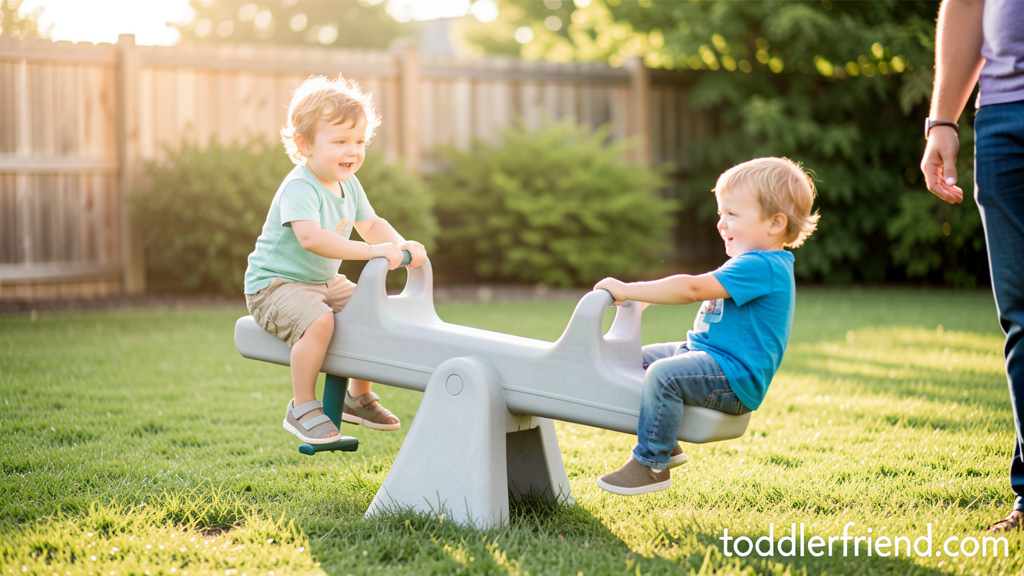
A childrens seesaw is a low two-seat rocking lever, or teeter totter, that lets two young riders alternate up-and-down motion using their own body weight. Backyard models built for ages 18 months to 5 years usually sit under 30 inches tall, use molded plastic seats with grip handles, and cap each seat at 45 to 100 pounds.
It is also the only piece of backyard equipment that refuses to work without a partner. That single design fact is why pediatric therapists and playground inspectors both keep an eye on seesaws, and why the buying decision is less about color than about mechanism, seat height, and how the ride ends when one child hops off mid-stroke.
What Age Is a Childrens Seesaw Right For?
Age guidance here is unusually specific. The CPSC Handbook for Public Playground Safety (Publication 325) does not list fulcrum seesaws among the equipment considered age-appropriate for children in the 6-to-23-month range, but it does list them for the 2-to-5 group and older. The home-playground standard, ASTM F1148, covers equipment for children from about 18 months to 10 years, and the products aimed at the youngest riders are built to that lower edge.
That same handbook keeps the stakes in view: CPSC estimates that more than 200,000 children are treated in U.S. emergency rooms each year for playground-equipment injuries, and falls are the leading hazard. A seesaw sits low to the ground, so its fall exposure is smaller than a tower climber — as long as the mechanism matches the rider.
In practice, that splits the category into three tiers:
- 18 months to 2 years. Only low, one-piece molded units count, ideally sold as a “rocker” rather than a seesaw. A Simplay3 Up and Down Teeter Totter, rated for 18 months to 5 years, keeps the seat close enough to the ground that a surprise dismount is a short drop instead of a fall.
- Ages 2 to 5. This is the core childrens seesaw audience. Look for spring-cushioned pivots, molded seats with full-handle grips, and a per-seat rating of at least 45 to 50 pounds. Many playground-safety specialists steer parents toward spring rockers and low-profile two-seaters for this group, because a traditional plank drops the opposite seat hard when one rider leaves early.
- Ages 3 to 8. Metal teeter totters with 360-degree swivel seats and 77 to 100 pounds per seat open up, but they are a different purchase. Wider, heavier, and typically 53 to 75 inches long, they need real yard space.
Plastic or Metal: Which Childrens Seesaw Holds Up Better?
Molded plastic and powder-coated steel are the two real options, and they behave differently after a full summer outdoors.
A one-piece rotational-molded plastic rocker such as the Simplay3 Up and Down arrives fully assembled, weighs roughly 15 to 20 pounds, and has no bolts to retighten. The trade-off is a lower total capacity and a footprint that works best for one pair of children at a time. Steel models like the Costzon 2-in-1 Metal Rocking Seesaw run 53.5 inches long and about 20 pounds, carry a 200-pound total capacity, and convert into a rocking chair when you flip the base, but they arrive as a box of hardware. Budget 30 to 45 minutes for assembly and expect to recheck every bolt after the first week.
Whichever material you choose, check three things on the spec sheet: the per-seat weight limit (not just the total), whether the handles are molded into the seat or bolted on, and whether the underside has rubber bumpers or the seat itself is the contact point. Seats that meet the ground through a replaceable bumper last years longer than seats that meet the ground directly.
What a Childrens Seesaw Costs at Each Budget
- Under $60. One-piece plastic rockers. Expect two seats, ages 18 months to 5 years, no assembly, and a design that also flips for crawling or tunnel play. The Simplay3 Up and Down Teeter Totter lists at $59.99 and commonly sells around $47.
- $70 to $100. Steel frames with powder coating, cushioned seats, and three-seat layouts. The Costzon 2-in-1 sits at $72.66 against a $99.99 list price and covers ages 2 to 5 for one to three riders.
- $120 and up. Combination pieces. The Simplay3 Two Sided Rock and Roll is a four-seat rocking teeter totter on one side and a dome climbing bridge on the other at $119.99, which is a fair price when a small yard only has room for one structure.
Prices swing with promotions, so treat these as ranges rather than fixed numbers. A 4.7-star rating across 1,390 reviews, as the Simplay3 Up and Down carries, is a more durable signal than a one-day discount.
How to Set Up a Childrens Seesaw Safely in the Backyard
Setup errors cause more seesaw injuries than manufacturing defects do. Work through this order:
- Pick level ground. A slight slope turns a controlled ride into a lopsided one, and one seat will always sit higher than the other.
- Clear a use zone of at least 6 feet on all sides. CPSC guidance for rocking equipment calls for impact-absorbing surfacing and open space around the moving parts, which means no fence, tree trunk, or sandbox edge inside that ring.
- Choose the surface deliberately. Grass, mulch, or a rubber mat under the seats is fine. Concrete and pavers are not — they take a hard impact, and they also scratch the base.
- Separate the seesaw from other equipment. Movable pieces should not share a fall zone. Placing a seesaw beside a climbing structure invites a rider to walk straight into a swing path, which is the same spacing rule that applies to a toddler swing set.
- Test the pivot by hand. With both seats empty, push one end down and release. The motion should be smooth, with a visible stop before the seat contacts the ground.
If your yard already has a climbing structure, borrow the layout rules from our kids climbers playground setup guide — the anchoring, surfacing, and spacing principles are the same, and it is easier to plan both pieces together than to re-level the yard twice.
Top Childrens Seesaw Picks for Toddlers
Best for ages 18 months to 5: the Simplay3 Up and Down Teeter Totter Seesaw is a single molded piece with no assembly, two seats, easy-grip handles, and a flip side that turns into a crawling tunnel. It is made in Ohio and rated for two riders from 18 months through 5 years.
Best three-seat metal option: the Costzon 2-in-1 Metal Rocking Seesaw takes up to three younger riders on a carbon steel frame and switches to a rocker when you flip it, which is why preschools and daycares favor it. Expect assembly time and a 20-pound frame that stays where you put it.
Best for small yards with more than two kids: the Simplay3 Two Sided Rock and Roll seats four on the rocking side and doubles as a dome climber on the other, so one footprint serves two age-staged activities.
Worth knowing about: the HONEY JOY two-person metal teeter totter (ages 3 to 8, 77 pounds per seat) and the VEVOR 360-degree swivel seesaw (ages 3 and up, 100 pounds per seat, 75 inches long) both add spinning motion. Fun for a confident 4-year-old, too much mechanism for a 20-month-old.
Why the Teeter Totter Still Earns a Spot in the Yard
The developmental case is stronger than parents expect. The rise-and-fall motion stimulates the vestibular system, the inner-ear structure that governs balance and spatial awareness. Riders stabilize their torso while the ground moves under them, which builds core and leg strength in the same way a balance bike for toddlers trains weight shifts on wheels. And because the equipment physically requires a partner, children practice turn-taking, timing, and negotiation without an adult refereeing — the one thing a slide or a swing never teaches.
Rainy days are the obvious limitation. When the yard is out of play, indoor balance work covers the same ground without the weather risk.
Childrens Seesaw Maintenance and Supervision Checklist
- Tighten every bolt and check the pivot hardware monthly during the first season, then quarterly.
- Inspect the underside bumpers for cracking; replace them before the seat contacts the ground.
- Flex the seats by hand and look for stress lines, fading, or brittleness, especially after a winter outdoors.
- Refuse extra riders. A two-seat unit with four children on it is the single most common overload scenario.
- Enforce facing-forward seating with both hands on the handles, never backwards or standing.
- Teach the dismount rule: announce before getting off, so the other rider can brace instead of dropping.
- Touch-test metal surfaces on hot afternoons — powder-coated steel in direct sun can reach uncomfortable temperatures even when it passes the hand test in shade.
How to Choose a Childrens Seesaw in Six Steps
- Match the mechanism to your youngest rider’s age, not the oldest.
- Confirm the per-seat weight rating covers your children with room to grow.
- Measure the footprint plus a 6-foot use zone before ordering.
- Confirm the surfacing under the seats is grass, mulch, or rubber.
- Assemble, torque the hardware, and hand-test the pivot before the first ride.
- Set the seating and dismount rules out loud before anyone gets on.
The short version: a childrens seesaw is worth owning if you buy for the mechanism, not the paint. Low and cushioned for a toddler, steel and swiveling for a preschooler who is already steady on their feet, and never a bouncing plank over concrete. Get the height, the seat rating, and the surfacing right, and the teeter totter becomes one of the few toys in the yard that teaches cooperation while it burns off afternoon energy.
{ “@context”: “https://schema.org”, “@type”: “HowTo”, “name”: “How to Choose a Childrens Seesaw for Toddlers”, “description”: “A six-step buying process for selecting a safe childrens seesaw or teeter totter for children ages 18 months to 5 years, covering mechanism choice, weight ratings, use zones, and surfacing.”, “totalTime”: “PT30M”, “step”: [ { “@type”: “HowToStep”, “position”: 1, “name”: “Match the mechanism to your youngest rider”, “text”: “Choose a low, one-piece molded rocker for children 18 months to 2 years, a spring-cushioned or low-profile two-seat unit for ages 2 to 5, and a metal swivel seesaw only for children 3 and older.” }, { “@type”: “HowToStep”, “position”: 2, “name”: “Check the per-seat weight rating”, “text”: “Look for a per-seat limit of at least 45 to 50 pounds on plastic rockers and at least 77 pounds per seat on metal models, plus a clearly stated total capacity.” }, { “@type”: “HowToStep”, “position”: 3, “name”: “Measure the footprint and use zone”, “text”: “Add the product length to a 6-foot clear zone on every side. Metal two-seat models run about 53.5 to 75 inches long, so measure the yard before ordering.” }, { “@type”: “HowToStep”, “position”: 4, “name”: “Confirm the surfacing and separation”, “text”: “Place the seesaw on level grass, mulch, or a rubber mat, never concrete, and keep it outside the fall zone of swings, climbers, and fences.” }, { “@type”: “HowToStep”, “position”: 5, “name”: “Assemble and test the pivot”, “text”: “Recheck every bolt after assembly, then push one empty seat down and release. The motion should be smooth and stop before the seat touches the ground.” }, { “@type”: “HowToStep”, “position”: 6, “name”: “Set riding rules before the first ride”, “text”: “Riders face each other, hold the handles with both hands, keep one child per seat, and announce before dismounting so the partner can brace.” } ] }