

Guide
Kids Electric Car Safety Guide: What Every Parent Must Know Before Buying
Jun
Are Kids Electric Cars Safe for Toddlers?
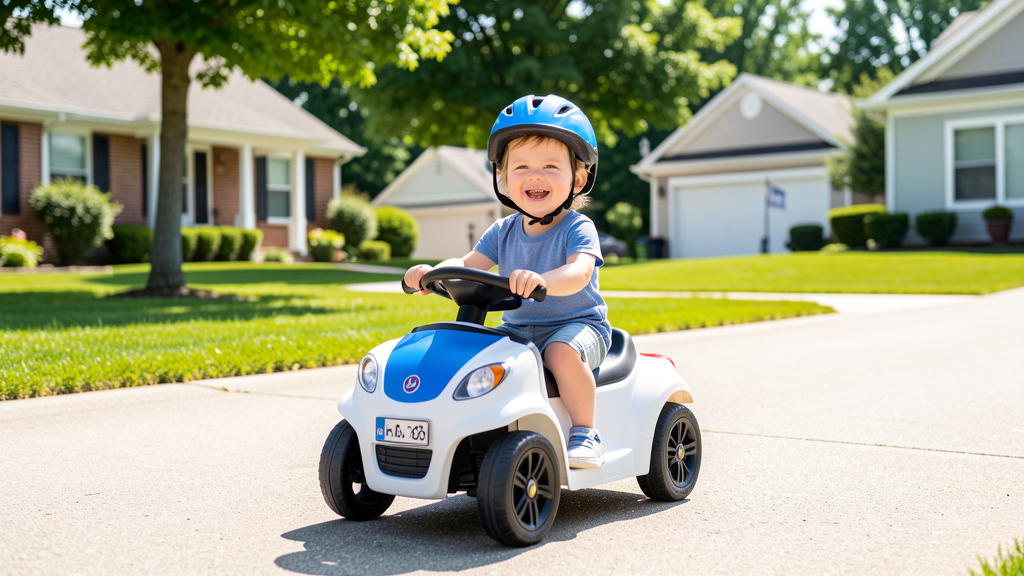
Kids electric cars — also known as battery-powered ride-on vehicles — are one of the most exciting toys you can give your toddler. They offer a taste of independence, help develop motor skills, and provide hours of outdoor fun. But as a parent, you naturally worry about safety. Is my child ready? Will they hurt themselves? How do I choose a safe model?
This guide covers everything you need to know about kids electric car safety, from age recommendations and speed limits to battery maintenance and supervision tips. Whether you’re shopping for your first ride-on or upgrading to a bigger model, these safety guidelines will help you make an informed decision.
At What Age Can a Toddler Use a Kids Electric Car?
Most kids electric cars are designed for children ages 2 to 5 years old. However, the right age depends on your child’s size, coordination, and maturity level. Here’s a general breakdown:
- Ages 2-3: Look for cars with a low speed (1-2 mph), a parent remote control, and a wide wheelbase for stability. Seat belts or harnesses are essential.
- Ages 3-4: Children at this age can handle slightly faster speeds (2-3 mph) and often enjoy steering independently. Remote override capability is still recommended.
- Ages 4-5: Kids can manage speeds up to 3-5 mph. Many models at this level have two-speed settings (slow/fast) and working features like MP3 players and LED lights.
Always check the manufacturer’s weight limit (typically 55-70 lbs) and make sure your child meets the minimum height requirement before purchasing.
Key Safety Features to Look For
When shopping for a kids electric car, prioritize these safety features:
1. Parent Remote Control
This is arguably the most important safety feature for toddlers. A remote control lets parents take over steering and braking from a distance. If your child drives toward a curb, street, or obstacle, you can redirect them instantly. Look for models where the remote can override the child’s controls completely.
2. Seat Belts and Harnesses
Just like in a real car, a seat belt keeps your child securely in place. Many kids electric cars come with a simple lap belt, but the safest models include a 3-point or 5-point harness similar to what you’d find in a car seat.
3. Slow Start Technology
Some higher-end models feature slow-start technology, which prevents the car from lurching forward when the accelerator is pressed. This gradual acceleration is much safer for young toddlers who are still developing their sense of balance.
4. Stable Wheelbase and Anti-Tip Design
Wide wheels and a low center of gravity reduce the risk of tipping over, especially when turning at speed. Rubber or EVA tires provide better traction than hard plastic wheels on grass and pavement.
5. Automatic Braking
When your child lifts their foot off the accelerator, the car should stop automatically. This is standard on most modern kids electric cars, but it’s worth confirming before purchase.
Battery Safety and Maintenance
The battery is the heart of any kids electric car. Proper care keeps it running safely:
- Always use the charger that came with the vehicle. Third-party chargers can overheat or deliver the wrong voltage.
- Never overcharge. Most batteries need 8-12 hours for a full charge. Unplug once charged to avoid battery damage.
- Store batteries indoors. Extreme temperatures (below 32°F or above 100°F) can reduce battery life and create safety risks.
- Replace aging batteries. If your child’s car is running slower than usual or the battery no longer holds a full charge, it’s time for a replacement.
- Supervise charging. Only charge the battery in a well-ventilated area away from flammable materials.
Speed Limits: How Fast Is Too Fast?
For toddlers (ages 2-3), a maximum speed of 1.5 to 2 mph is ideal — roughly walking speed. For preschoolers (ages 3-5), speeds of 2.5 to 4 mph are generally safe on flat, smooth surfaces. Avoid models that exceed 5 mph for children under 5, as reaction time and coordination at that speed are still developing.
Most quality kids electric cars offer switchable speed settings (e.g., low = 1.5 mph, high = 3 mph). Start on the low setting and only increase speed as your child’s driving skills improve.
Where Can Kids Safely Drive Electric Cars?
Safe driving environments include:
- Driveways (with adult supervision and away from traffic)
- Sidewalks (watch for pedestrians and driveways)
- Parks and playgrounds with paved pathways
- Backyards with flat, even ground
- Cul-de-sacs or quiet residential streets (always supervised)
Never allow children to drive near swimming pools, steep inclines, stairs, busy streets, or uneven terrain that could cause the car to tip.
Indoor vs. Outdoor: Which Is Better?
Most kids electric cars work well both indoors and outdoors, but there are trade-offs:
- Indoor: Better for small toddlers. Smooth floors mean less vibration. However, you’ll need plenty of space and should watch for collisions with furniture.
- Outdoor: More space to explore. Look for rubber tires and a slightly higher ground clearance for grass and pavement transitions.
Battery Runtime: What to Expect
A fully charged kids electric car typically runs for 45 minutes to 2 hours, depending on the battery capacity (6V vs 12V), terrain, and weight. Always have a backup plan — toddlers often want to keep driving long after the battery dies! Spare batteries extend playtime significantly.
Related Articles on Toddler Friend
For more information on ride-on toys and outdoor fun, check out our other guides:
- Best Electric Car for Kids in 2026: A Parent’s Complete Buying Guide — Our top-rated picks and detailed comparisons
- Best Ride-On Trucks for Toddlers — For kids who prefer trucks over cars
- Best Crazy Go Cart for Toddlers — A fun alternative to electric cars
- Top 3 Ride On Car Picks For Happy Kids — Our curated shortlist
Frequently Asked Questions
Do I need to assemble the kids electric car myself?
Yes, most kids electric cars require partial assembly — typically attaching the wheels, steering wheel, and battery. Most can be assembled in 30-60 minutes with basic tools.
Can kids electric cars be used on grass?
Yes, but performance depends on the tires. Rubber or EVA foam tires handle grass better than hard plastic wheels. For tall or thick grass, look for models with higher ground clearance and more powerful 12V motors.
How long do kids electric car batteries last?
With proper care, a 6V battery lasts about 6-12 months, and a 12V battery lasts 12-18 months before needing replacement. Battery life depends on frequency of use, charging habits, and storage conditions.
What’s the difference between 6V and 12V kids electric cars?
A 6V car is slower (1-2 mph), lighter, and better for indoor use and younger toddlers (ages 2-3). A 12V car is faster (2-5 mph), more powerful for outdoor terrain, and suitable for ages 3-5.
Conclusion
A kids electric car can be a wonderful gift that builds confidence, coordination, and creates lasting memories. By choosing a model with the right safety features — parent remote control, seat belts, speed limits, and a stable design — you can give your toddler the thrill of driving while keeping them safe.
Ready to find the perfect ride? Browse our top kids electric car picks for 2026 or check out these top-rated models on Amazon:
- Best Choice Products 12V Kids Electric Car
- Kidzone Licensed Lamborghini Aventador Ride-On
- Costzon 12V Kids Ride On Car with Remote Control
- Uenjoy Kids Electric Car with Parent Remote
