

Guide
How to Pick the Best Wooden Blocks for Toddlers
Jan
Choosing the right wooden blocks for toddlers is crucial. These blocks aren’t just toys; they’re tools that foster growth. When toddlers play with wooden blocks, they develop essential skills. Studies show that frequent block play enhances spatial abilities and early math skills. Wooden blocks support cognitive, motor, and social skills in unique ways. Safety and age-appropriateness matter too. Blocks like Hape Blocks and QUOKKA Wooden Blocks offer non-toxic materials and designs suitable for little hands. Selecting the best childrens wooden blocks ensures a safe and enriching playtime experience.
Key Takeaways
- Prioritize safety by choosing wooden blocks made from non-toxic materials and ensuring they are free from small parts to avoid choking hazards.
- Select blocks that are appropriately sized for toddlers’ small hands, making it easier for them to grip and manipulate during play.
- Look for blocks that enhance cognitive skills, such as problem-solving and spatial awareness, by encouraging children to build and create.
- Consider the developmental benefits of block play, including improvements in fine and gross motor skills through stacking and building activities.
- Choose age-appropriate block sets that grow with your child, offering simple shapes for younger toddlers and more complex designs for older children.
- Invest in high-quality wooden blocks that are durable and versatile, ensuring they provide long-lasting play value and educational benefits.
- Explore reputable brands like Hape and QUOKKA, which offer safe, eco-friendly options that support creativity and learning in toddlers.
Safety Considerations for Childrens Wooden Blocks
When it comes to selecting childrens wooden blocks, safety should always be at the forefront of our minds. Let’s dive into some key safety considerations to ensure our little ones can play without worry.
Material Safety
Importance of non-toxic materials
First and foremost, we must ensure that the wooden blocks are made from non-toxic materials. Scientific Research Findings: Studies confirm that wooden toys, when crafted from safe materials, pose fewer risks compared to their plastic counterparts. We should always check for safety certifications that guarantee the absence of harmful chemicals. This way, we can rest easy knowing our children are playing with safe toys.
Durability and quality of wood
The durability and quality of the wood used in childrens wooden blocks are equally important. Hardwoods like oak, maple, or beech are excellent choices. These woods are not only sturdy but also less likely to break into small, hazardous pieces. This robust nature ensures that the blocks can withstand rough play, providing long-lasting enjoyment.
Size and Shape
Avoiding choking hazards
Size matters when it comes to safety. We should choose blocks that are large enough to prevent choking hazards. Blocks that are too small can easily become a danger if swallowed. By selecting appropriately sized blocks, we can keep our toddlers safe during playtime.
Easy handling for small hands
Blocks should also be easy for small hands to handle. This means opting for shapes and sizes that toddlers can grip comfortably. When blocks are easy to hold, children can focus on building and creating, enhancing their play experience.
Non-Toxic Finishes
Benefits of natural finishes
Natural finishes on wooden blocks offer several benefits. They not only enhance the beauty of the wood but also ensure that no harmful chemicals come into contact with our children. Natural finishes are a safer choice, allowing us to feel confident about the toys our kids are using.
Identifying safe paints and coatings
If the blocks are painted or coated, it’s crucial to identify safe options. Avoid vintage or hand-me-down wooden toys with chipped paint, as they may contain lead. Instead, look for blocks with non-toxic paints and coatings. This ensures that even if our toddlers put the blocks in their mouths, they remain safe.
By considering these safety aspects, we can choose the best childrens wooden blocks that provide a secure and enjoyable play environment for our toddlers.
Developmental Benefits of Wooden Blocks
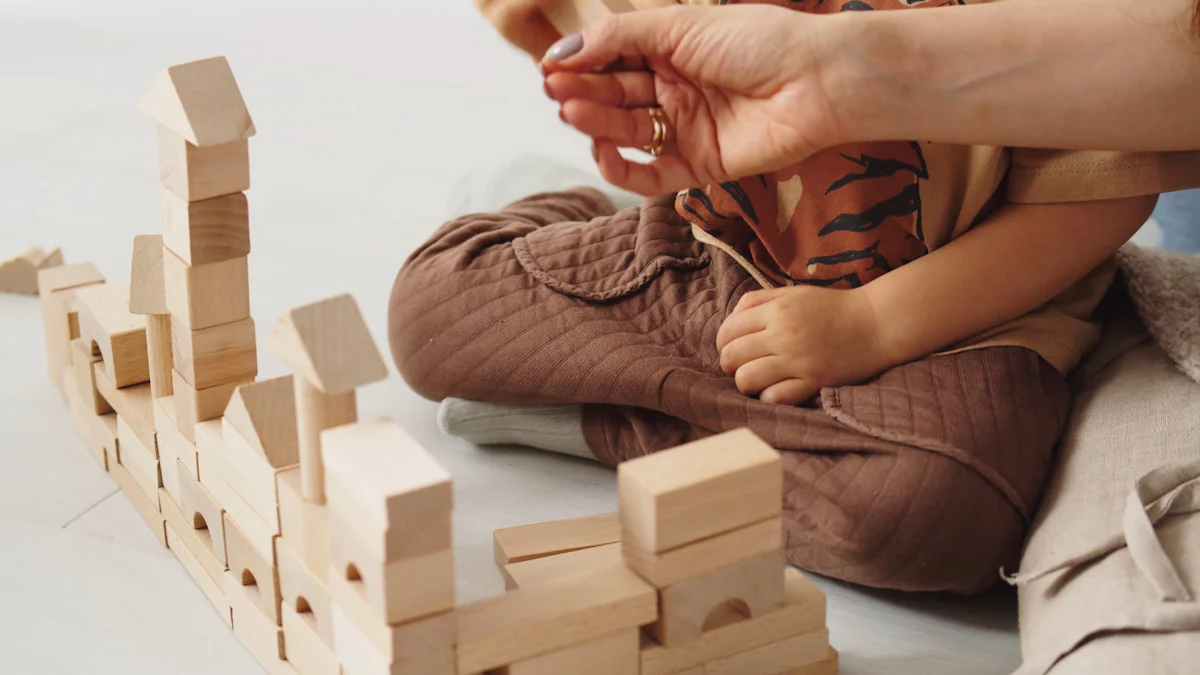
Wooden blocks are more than just toys; they’re powerful tools for child development. When I watch toddlers play with these blocks, I see them learning and growing in ways that are both fun and educational. Let’s explore how these simple toys can make a big impact on a child’s growth.
Cognitive Development
Encouraging problem-solving skills
When children engage with wooden blocks, they naturally start solving problems. They figure out how to balance blocks, create stable structures, and even fix their mistakes. This process boosts their problem-solving skills. According to Scholars Choice, block play lays the foundation for mathematical and scientific thinking. Kids learn to count, compare sizes, and combine shapes, which fosters early math concepts.
Enhancing spatial awareness
Playing with blocks also enhances spatial awareness. Kids learn how different shapes fit together and how to visualize structures in their minds. This skill is crucial for understanding geometry and spatial relationships later in life. Research from My Teaching Cupboard highlights that block play is linked to better spatial abilities and even interests in STEM careers.
Sensory Development
Tactile exploration
Wooden blocks offer a rich sensory experience. When toddlers touch and feel the texture of the wood, they engage in tactile exploration. This hands-on interaction helps them understand the world around them. The natural feel of the wood stimulates their senses and encourages curiosity.
Visual and color recognition
Blocks often come in various colors and shapes, which aids in visual and color recognition. As children play, they learn to identify and differentiate between colors and shapes. This recognition is an essential part of early learning and helps in developing visual processing skills.
Motor Skills Development
Fine motor skills through stacking
Stacking blocks is a fantastic way to develop fine motor skills. When toddlers pick up and place blocks, they refine their hand-eye coordination and dexterity. These skills are vital for tasks like writing and buttoning clothes. I often notice how focused children become as they carefully stack blocks, honing their precision and control.
Gross motor skills through building
Building with blocks also supports gross motor skills. Kids use their whole bodies to reach, lift, and move blocks around. This activity strengthens their muscles and improves balance and coordination. Watching them build tall towers and navigate around their creations is a testament to the physical benefits of block play.
Incorporating wooden blocks into playtime offers numerous developmental benefits. From cognitive growth to motor skills enhancement, these blocks are invaluable tools in a child’s learning journey.
Age Appropriateness of the Best Block Set
Choosing the right block set for your toddler involves considering their age and developmental stage. Let’s explore how different blocks cater to various age groups, ensuring a fun and educational experience.
Blocks for Ages 1-2
Large, simple blocks
For toddlers aged 1 to 2, large and simple blocks are ideal. At this age, children are just beginning to explore their environment. They need blocks that are easy to grasp and manipulate. Large blocks for toddlers made of wood or heavy cardboard provide a safe and engaging play experience. These blocks help them develop hand-eye coordination and motor skills without the risk of choking hazards.
Focus on safety and ease of use
Safety is paramount for this age group. Blocks should be smooth and free from small parts. I always look for sets that prioritize ease of use, allowing toddlers to stack and build without frustration. The MEGA BLOKS First Builders Toddler Blocks Toy Set is a great example, offering large pieces that are perfect for little hands.
Blocks for Ages 2-3
Introduction of more complex shapes
As children grow, their ability to handle more complex shapes increases. For ages 2 to 3, introducing blocks with varied shapes and sizes can stimulate their creativity. These blocks challenge them to think critically and solve problems as they figure out how different pieces fit together.
Encouraging creativity and imagination
Blocks for this age group should encourage creativity and imagination. I love watching kids create unique structures and stories with their blocks. Sets that include a variety of shapes and colors, like the Building Blocks set with 17 play pieces, offer endless possibilities for imaginative play.
Blocks for Ages 3 and Up
Incorporating educational elements
For children aged 3 and up, blocks can incorporate educational elements. These might include numbers, letters, or themed sets that teach specific concepts. Blocks become more than just toys; they become tools for learning. This age group benefits from sets that introduce basic math and literacy skills.
Promoting advanced building skills
At this stage, children are ready for more advanced building challenges. They can create complex structures and engage in pretend play. A 60-piece wooden block set offers a variety of shapes that allow preschoolers to experiment and create intricate designs. These blocks grow with the child, providing new challenges as their skills develop.
Selecting the best block set for your child involves understanding their developmental needs and providing the right tools to support their growth. From large, simple blocks for the youngest toddlers to educational sets for older children, the right blocks can make a significant impact on their learning journey.
Versatility and Longevity of the Best Block Sets
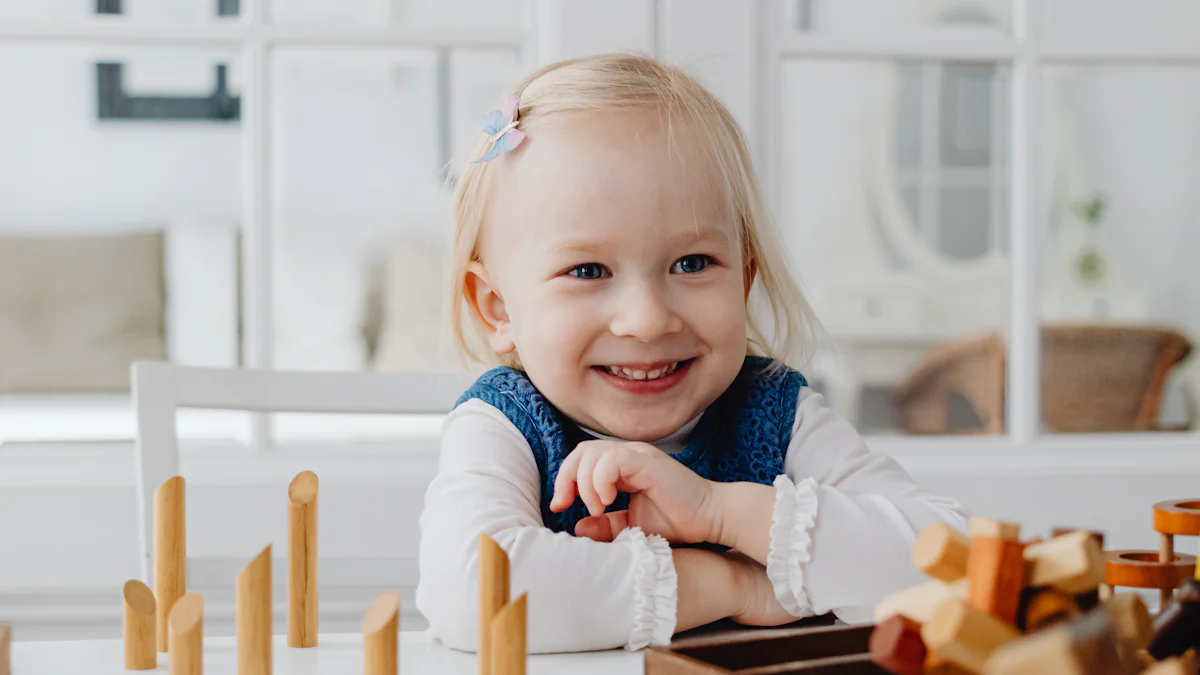
When I think about the best block sets for toddlers, versatility and longevity come to mind. These qualities ensure that the blocks remain engaging and useful as children grow and develop new skills.
Blocks that Grow with the Child
Multi-purpose use
The best block sets offer multi-purpose use. They aren’t just for building towers or castles. Kids can use them in countless ways, from creating imaginary worlds to learning basic math concepts. For instance, a simple set of wooden blocks can transform into a zoo, a city, or even a spaceship. This flexibility keeps playtime fresh and exciting, encouraging creativity and imagination.
Adaptability to different play stages
Blocks that adapt to different play stages are invaluable. As children grow, their play evolves. A toddler might start by stacking blocks, but as they get older, they might build intricate structures or use blocks in storytelling. Wooden construction sets, unlike other toys, foster creativity and problem-solving skills. They teach kids about balance and support, offering unique developmental benefits. This adaptability ensures that the blocks remain relevant and engaging over time.
Investment in Quality
Durability over time
Investing in quality means choosing blocks that last. Wooden blocks, known for their durability, withstand rough play and the test of time. Unlike plastic toys that might break or wear out, wooden blocks maintain their integrity. This durability makes them a timeless choice, providing long-lasting play value. I appreciate how these blocks can be passed down from one child to another, maintaining their appeal and functionality.
Value for money
Quality blocks offer excellent value for money. While the initial cost might be higher than other toys, their longevity and versatility make them a wise investment. They provide educational benefits, hands-on learning, and imaginative play. When I consider the hours of engagement and the developmental advantages they offer, I see them as a worthwhile purchase. The best block sets not only entertain but also support a child’s growth, making them a valuable addition to any toy collection.
Recommended Brands of Wooden Blocks
When it comes to choosing the best wooden blocks for toddlers, I always look for brands that offer quality, safety, and developmental benefits. Two brands that stand out are Hape Blocks and QUOKKA Wooden Blocks. Let me share why these brands are worth considering.
Hape Blocks
Overview of features
Hape Blocks are known for their high-quality craftsmanship and attention to detail. Made from sustainably sourced wood, these blocks are both eco-friendly and durable. They come in a variety of shapes and sizes, allowing for endless building possibilities. The smooth finish and rounded edges ensure safe play for little hands. Hape also uses non-toxic paints, so I feel confident letting my child explore and play with them.
Benefits for toddlers
Hape Blocks offer numerous benefits for toddlers. They encourage creativity and imagination, as kids can build anything from simple towers to complex structures. These blocks also support cognitive development by helping children understand concepts like balance and symmetry. As toddlers stack and arrange the blocks, they refine their fine motor skills and hand-eye coordination. I love watching my child engage in open-ended play, discovering new ways to use the blocks each time.
QUOKKA Wooden Blocks
Overview of features
QUOKKA Wooden Blocks are designed with Montessori principles in mind, focusing on learning through play. These blocks feature realistic ABC designs, making them perfect for early literacy development. The set includes a variety of shapes and colors, which stimulate visual and tactile exploration. QUOKKA uses ethically harvested wood and ensures each block is smooth-sanded for safe handling.
Benefits for toddlers
QUOKKA Wooden Blocks ignite creativity and discovery in toddlers. They provide an excellent platform for imaginative play, allowing children to create stories and scenarios with their blocks. The ABC designs introduce early problem-solving abilities and fine motor skills development. I appreciate how these blocks grow with my child, offering new challenges and learning opportunities as they progress. The versatility of QUOKKA blocks makes them a valuable addition to any playroom.
Incorporating brands like Hape and QUOKKA into your child’s playtime can enhance their developmental journey. These wooden blocks not only entertain but also educate, providing a safe and enriching environment for toddlers to learn and grow.
Choosing the best wooden blocks for toddlers involves more than just picking a toy. It’s about ensuring safety, fostering development, and matching age-appropriateness. Throughout this block buying guide, I’ve highlighted how these blocks can enhance cognitive skills and motor abilities. They lay the groundwork for future math competence and even spark STEM interests. When selecting blocks, prioritize non-toxic materials and durable designs. Brands like Hape and QUOKKA offer excellent options. Remember, investing in quality blocks means investing in your child’s growth and creativity. Happy block buying!
FAQ
At what age can babies and toddlers start benefiting from block play?
Babies can start exploring with soft blocks as early as 6 months old. These soft blocks are perfect for little hands to grasp and explore. As they grow, toddlers around 18 months can engage in more structured block play activities. This transition allows them to develop their motor skills and creativity.
What are the developmental benefits of block play for toddlers?
Block play offers numerous developmental benefits. It enhances cognitive skills by encouraging problem-solving and spatial awareness. When toddlers stack and arrange blocks, they refine their fine motor skills. This activity also supports sensory development through tactile exploration and visual recognition. Overall, block play is a fantastic way to boost a child’s growth.
How do I ensure the blocks are safe for my toddler?
Safety is a top priority when choosing blocks for toddlers. Look for blocks made from non-toxic materials and ensure they have smooth edges. Blocks should be large enough to prevent choking hazards. Brands like Hape and QUOKKA offer safe and high-quality options. Always check for safety certifications to ensure peace of mind during playtime.
What makes wooden blocks better than plastic ones?
Wooden blocks have several advantages over plastic ones. They are more durable and can withstand rough play. Wooden blocks also provide a natural tactile experience that plastic cannot match. Additionally, they are often made from eco-friendly materials, making them a sustainable choice. The best unit blocks are those that offer versatility and longevity.
Can block play encourage open-ended pretend play?
Absolutely! Block play is a gateway to open-ended pretend play. Children can use blocks to create imaginary worlds, from castles to cities. This type of play encourages creativity and imagination. It allows toddlers to express themselves and explore different scenarios, making playtime both fun and educational.
How do I choose the best unit blocks for my child?
When selecting the best unit blocks, consider your child’s age and developmental stage. For younger toddlers, opt for larger, simpler blocks. As they grow, introduce more complex shapes and educational elements. Look for sets that offer versatility and can grow with your child. Investing in quality blocks ensures long-lasting play value.
Are there any recommended brands for wooden blocks?
Yes, there are several recommended brands for wooden blocks. Hape Blocks and QUOKKA Wooden Blocks are excellent choices. Hape offers eco-friendly and durable blocks with non-toxic paints. QUOKKA focuses on learning through play with their Montessori-inspired designs. Both brands provide safe and enriching options for toddlers.
How can block play support early learning?
Block play supports early learning by introducing basic math and literacy concepts. Children learn to count, compare sizes, and recognize shapes and colors. Blocks with numbers or letters can enhance these skills further. This hands-on learning approach lays the foundation for future academic success.
What should I look for in a block set for toddlers?
When choosing a block set, prioritize safety, quality, and developmental benefits. Ensure the blocks are made from non-toxic materials and have smooth edges. Look for sets that offer a variety of shapes and colors to stimulate creativity. A good block set should also be versatile and adaptable to different play stages.
Can block play promote social skills?
Yes, block play can promote social skills. When children play with blocks together, they learn to share, take turns, and collaborate. This interaction fosters communication and teamwork. Block play provides opportunities for toddlers to engage with others, enhancing their social development.
