

Reviews
How to Choose the Best Montessori Toys for Toddlers

Dec
When I think about Montessori Toddler Toys, I see them as more than just playthings. These toys, rooted in the Montessori philosophy, are designed to nurture a child’s natural curiosity and independence. They focus on sensory exploration, fine motor skills, and cognitive development. For instance, a Baby Wooden Busy Board can captivate a toddler’s attention, encouraging problem-solving and decision-making. By choosing the right presents for two year olds, we can support their growth into confident and capable individuals.
Key Takeaways
- Montessori toys are designed to nurture independence and curiosity, making them more than just playthings.
- Choose toys made from natural materials like wood to enhance sensory experiences and promote sustainability.
- Select toys that align with your child’s developmental stage to support their growth and learning effectively.
- Prioritize safety and quality by opting for durable, non-toxic toys that are free from harmful chemicals.
- Observe your child’s interests to select engaging toys that encourage independent play and creativity.
- Focus on simplicity in toy design to help toddlers concentrate and master specific skills without distractions.
- Regularly rotate toys to keep the play environment fresh and engaging, preventing boredom and encouraging exploration.
Understanding Montessori Toys
What Are Montessori Toys?
When I first encountered Montessori toys, I realized they were unlike any other toys. These toys are designed with the Montessori approach to learning in mind, focusing on simplicity and purpose. They aren’t just about entertainment; they’re tools for learning. Montessori toys often feature natural materials like wood, which provide a tactile experience that plastic can’t match. They encourage children to explore and learn at their own pace, fostering a sense of independence and curiosity.
Benefits of Using Montessori Toys for Toddlers
Encouraging Independence
One of the most remarkable benefits of using Montessori toys is how they encourage independence. I noticed that when toddlers engage with these toys, they often play alone, making decisions and solving problems without adult intervention. This independence is crucial for building confidence and self-reliance. Montessori toys empower children to take charge of their learning, allowing them to explore their interests and abilities.
Promoting Hands-On Learning
Montessori toys excel at promoting hands-on learning. They invite toddlers to touch, manipulate, and interact with their environment. For example, stacking blocks or lacing beads require fine motor skills and hand-eye coordination. These activities not only enhance physical abilities but also stimulate cognitive development. By engaging directly with the toys, children learn through experience, which is a core principle of the Montessori approach to learning.
Supporting Developmental Milestones
Supporting developmental milestones is another significant benefit of using Montessori toys. These toys are thoughtfully designed to align with a child’s developmental stages. They help toddlers achieve important milestones, such as problem-solving, critical thinking, and creativity. For instance, puzzles challenge a child’s mind, encouraging logical thinking and patience. By providing appropriate challenges, Montessori toys ensure that children grow into well-rounded individuals.
Key Characteristics of the Best Montessori Toys
When I look for the best Montessori toys, I focus on a few key characteristics that make them stand out. These toys aren’t just about keeping toddlers busy; they’re about fostering growth and learning in a meaningful way. Let’s dive into what makes these toys so special.
Simplicity and Focus
The first thing I notice about Montessori toys is their simplicity. They don’t have flashy colors or distracting noises. Instead, they focus on one skill at a time. This simplicity helps toddlers concentrate and master specific tasks without getting overwhelmed. For example, a simple set of wooden blocks can teach balance and coordination. By keeping the design minimal, these toys allow children to explore and learn at their own pace.
Use of Natural Materials
I always appreciate the use of natural materials in Montessori toys. They’re often made from wood, metal, or fabric, which not only makes them durable but also provides a tactile experience that plastic toys can’t match. These materials are eco-friendly and promote sustainability, instilling an early appreciation for the environment in children. The natural textures and weights of these toys engage a child’s senses, making playtime both educational and enjoyable.
Alignment with Developmental Stages
One of the most important characteristics of ideal Montessori toys is their alignment with developmental stages. These toys are designed to grow with the child, offering challenges that match their current abilities. For instance, a puzzle might start with large, easy-to-handle pieces and gradually introduce more complex shapes as the child develops. This thoughtful design ensures that children remain engaged and motivated, helping them achieve important developmental milestones.
How to Choose the Right Montessori Toys
Choosing the right Montessori toys for 2-year-olds can feel overwhelming, but it doesn’t have to be. I’ve found that focusing on a few key aspects makes the process much simpler and more enjoyable. Let’s explore how to make the best choices for your little one.
Consider the Child’s Developmental Stage
When selecting Montessori toys for 2-year-olds, I always start by considering the child’s developmental stage. At this age, toddlers are rapidly developing fine motor skills, cognitive abilities, and sensory exploration. Toys that align with these milestones can make a significant difference. For example, stacking and sorting toys help develop spatial awareness and hand-eye coordination. Sensory boards offer various textures and activities that stimulate their senses. By choosing toys that match their current abilities, we can support their growth effectively.
Prioritize Safety and Quality
Safety and quality should never be compromised when choosing toys. I always look for toys made from safe, durable materials, preferably wood. Wooden toys are not only long-lasting but also provide a tactile experience that plastic toys can’t match. They are often free from harmful chemicals, making them a safer choice for toddlers who love to explore with their mouths. Additionally, I ensure that the toys have smooth edges and are appropriately sized to prevent choking hazards. High-quality toys may cost a bit more, but they offer peace of mind and longevity.
Align with the Child’s Interests
Understanding a child’s interests can guide us in selecting the most engaging toys. I pay attention to what captures their attention during playtime. Do they enjoy building, exploring sounds, or engaging in imaginative play? By aligning toys with their interests, we can foster a deeper connection and encourage independent play. For instance, if a child loves music, a simple wooden xylophone can provide hours of entertainment and learning. Observing their preferences helps in choosing toys that they will truly enjoy and benefit from.
Early Childhood Educator: “As an early childhood educator who believes in the Montessori method, I recommend toys that are developmentally appropriate, stimulating, and open-ended so that children can explore and use their creativity.”
By keeping these considerations in mind, we can confidently choose the best Montessori toys for 2-year-olds, ensuring they are both educational and enjoyable.
Recommended Montessori Toys for 2-Year-Olds
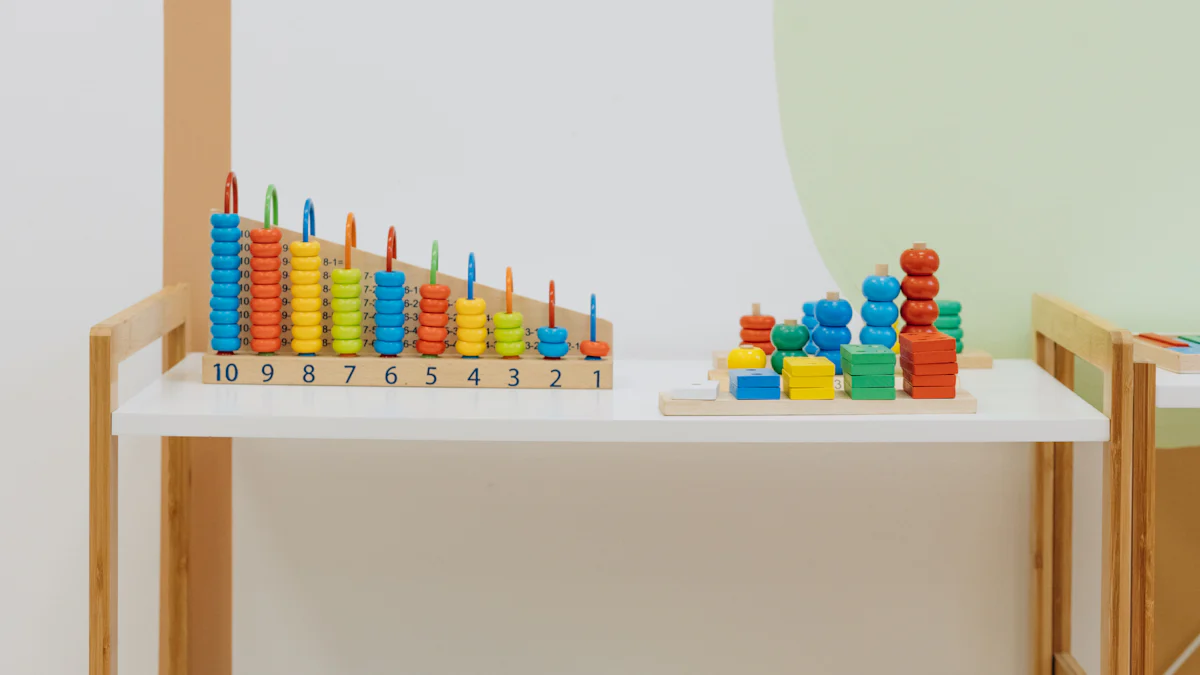
When it comes to choosing the best Montessori toys for 2-year-olds, I always look for options that align with their developmental milestones. These toys should engage their senses and foster fine motor skills. They should also promote cognitive abilities and independence. Let me share some examples of popular Montessori toys that have proven to be both educational and enjoyable for toddlers.
Examples of Popular Montessori Toys
- Stacking and Sorting Toys: These toys are fantastic for developing spatial awareness and hand-eye coordination. I love how they encourage toddlers to explore different shapes and sizes. They also help in understanding concepts like balance and symmetry.
- Sensory Boards: Sensory boards offer a variety of textures and activities that stimulate a toddler’s senses. They engage fine motor skills and provide endless opportunities for exploration. I find them particularly useful for keeping little hands busy and minds curious.
- Push and Pull Toys: These toys enhance gross motor skills and encourage physical activity. I often see toddlers delight in the simple joy of pushing or pulling a toy around the room. It’s a great way to promote movement and coordination.
- Wooden Puzzles: Puzzles challenge a child’s mind and encourage logical thinking. I appreciate how they offer a sense of accomplishment once completed. They also help in developing patience and problem-solving skills.
- Musical Instruments: Simple instruments like a wooden xylophone can provide hours of entertainment. They introduce toddlers to the world of music and rhythm. I’ve noticed how they spark creativity and imaginative play.
Tips for Selecting Age-Appropriate Presents for Two Year Olds
Choosing presents for two year olds can be a delightful experience when you know what to look for. Here are some tips that I find helpful:
- Focus on Developmental Needs: Always consider the child’s current developmental stage. Montessori toys for 2-year-olds should align with their growing abilities. Look for toys that promote sensory stimulation, creativity, and problem-solving.
- Prioritize Safety: Safety is paramount. I ensure that toys are made from durable, non-toxic materials. Wooden toys are often a safe bet. They provide a tactile experience that plastic toys can’t match.
- Observe Interests: Pay attention to what captures the child’s interest. Do they enjoy building, exploring sounds, or engaging in imaginative play? Aligning toys with their interests fosters a deeper connection and encourages independent play.
- Encourage Hands-On Learning: Choose toys that invite toddlers to touch, manipulate, and interact. Hands-on learning is a core principle of Montessori education. It allows children to learn through experience.
By keeping these tips in mind, selecting the perfect presents for two year olds becomes a rewarding task. The right Montessori toys can make a significant difference in a child’s development, providing both education and enjoyment.
Creating a Montessori-Friendly Environment at Home
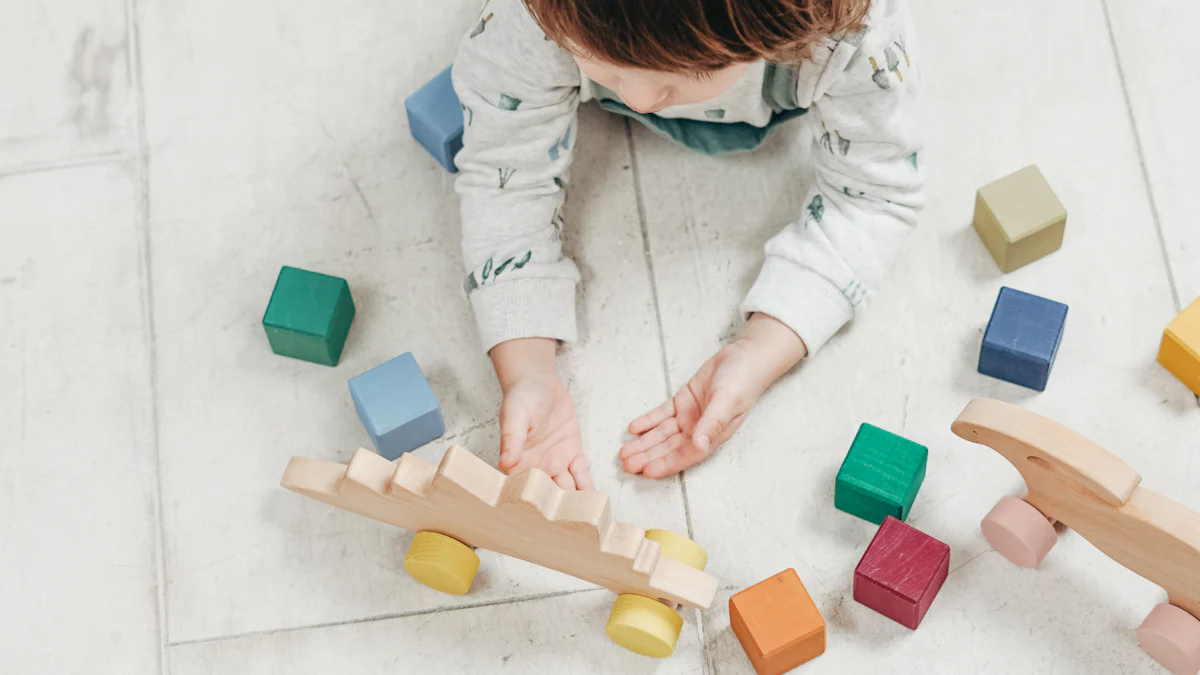
Creating a montessori-friendly environment at home has been a rewarding journey for me. It’s about more than just toys; it’s about crafting a space that nurtures a child’s natural curiosity and independence. I’ve found that a well-organized play area can significantly enhance a toddler’s focus and creativity. Let me share some insights on how to set up such an environment.
Organizing the Play Space
When I first started organizing the play space, I realized the importance of simplicity and order. A clutter-free area allows toddlers to concentrate better. I began by selecting a few quality Montessori toys and displaying them on low shelves. This way, children can easily access and choose what they want to play with.
I also made sure to rotate toys regularly. This keeps the environment fresh and engaging, preventing boredom. By observing which toys my child gravitated towards, I could tailor the selection to their interests and developmental needs.
Tip from an Educator: “A well-organized play space encourages children to explore independently and make choices, fostering decision-making skills.”
Encouraging Independent Play
Encouraging independent play became a natural extension of organizing the play space. I noticed that when the environment is set up thoughtfully, children naturally engage in self-directed activities. I provided open-ended toys that allow for creativity and problem-solving.
For instance, I included items like stacking blocks and sensory boards. These toys invite exploration and experimentation, essential components of independent play. I also ensured that the play area was safe, so I could step back and let my child explore without constant supervision.
By creating a montessori-friendly environment, I’ve seen improvements in my child’s focus and problem-solving skills. It’s a nurturing and effective way to support their growth. The joy of watching them learn and discover on their own is truly priceless.
Choosing the right Montessori toys for 2-year-olds can significantly impact their development. These toys are more than just playthings; they are educational tools crafted with intention and purpose. By focusing on simplicity, safety, and alignment with developmental stages, we can select toys that encourage exploration and hands-on learning. Observing a child’s interests and needs helps in choosing toys that foster creativity and independence. Remember, each child is unique, so tailor your choices to their individual journey. Let’s nurture their growth with thoughtful selections.
FAQ
What are Montessori toys for 2-year-olds?
Montessori toys cater to various developmental stages. They adapt to meet individual children’s needs, offering a range of challenges and activities that align with their current abilities. These toys focus on promoting independence, sensory exploration, and cognitive development.
Why should I choose Montessori toys over regular toys?
I find Montessori toys unique because they emphasize learning through play. They encourage children to explore and discover at their own pace. Unlike regular toys, Montessori toys often use natural materials and focus on simplicity, helping toddlers concentrate and develop specific skills.
How do Montessori toys support my child’s development?
Montessori toys support development by aligning with a child’s growth stages. They help toddlers achieve milestones like problem-solving and critical thinking. For example, puzzles challenge logical thinking, while stacking toys enhance spatial awareness and hand-eye coordination.
Are Montessori toys safe for toddlers?
Yes, Montessori toys prioritize safety. They are usually made from durable, non-toxic materials like wood. I always ensure the toys have smooth edges and are appropriately sized to prevent choking hazards. Safety is a top priority when selecting toys for toddlers.
Can Montessori toys be used for children with special needs?
Absolutely! Montessori toys can be beneficial for children with special needs. They offer a hands-on learning experience and can be adapted to suit individual abilities. The focus on sensory exploration and independence makes them an excellent choice for diverse learning needs.
How do I know if a toy is Montessori?
When I look for Montessori toys, I check for simplicity and natural materials. They should focus on one skill at a time and align with developmental stages. Avoid toys with flashy colors or distracting noises. Instead, choose those that encourage exploration and learning.
How often should I rotate Montessori toys?
I recommend rotating toys every few weeks. This keeps the play environment fresh and engaging. By observing which toys your child enjoys, you can tailor the selection to their interests and developmental needs. Regular rotation prevents boredom and encourages deeper engagement.
Can I create Montessori toys at home?
Yes, you can create Montessori-inspired toys at home. Simple items like homemade sensory boards or DIY stacking blocks can provide valuable learning experiences. Use natural materials and focus on activities that promote fine motor skills and cognitive development.
Do Montessori toys encourage independent play?
Definitely! Montessori toys are designed to foster independence. They invite children to explore and make decisions on their own. By providing open-ended toys, you encourage creativity and problem-solving, allowing toddlers to engage in self-directed play.
Where can I buy Montessori toys?
You can find Montessori toys at specialty toy stores, online retailers, or educational supply shops. I recommend looking for reputable brands that prioritize quality and safety. Reading reviews and seeking recommendations can also help you make informed choices.
