

Manual
Educational Toys for Two-Year-Olds You Need Today
Dec
Educational toys for two-year-olds play a vital role in your child’s growth and development. They nurture imagination, enhance dexterity, and boost confidence. Toys like LeapFrog and zhiwuzhu stand out for their educational benefits. These toys foster movement, language, and social skills, making learning fun and engaging. They not only captivate young minds but also ensure safe play. By choosing the right educational toys for two-year-olds, you support your child’s personal development and set the foundation for lifelong learning.
Key Takeaways
- Educational toys are crucial for nurturing imagination, dexterity, and confidence in two-year-olds.
- Select toys that promote language skills, such as interactive books and storytelling toys, to enhance communication development.
- Encourage problem-solving abilities with puzzles and shape sorters that challenge your child’s thinking.
- Support fine and gross motor skills through toys like building blocks and ride-on toys that promote physical activity.
- Choose toys that foster social-emotional development, such as dolls and role-playing sets, to help your child understand empathy and emotions.
- Prioritize safety by selecting non-toxic, age-appropriate toys that are durable and versatile for long-term use.
- Invest in educational toys that inspire creativity and independent play, allowing your child to explore and learn at their own pace.
Understanding Developmental Milestones of Two-Year-Olds
As your little one turns two, they embark on an exciting journey of growth and discovery. Understanding these developmental milestones can help you choose the right educational toys to support their progress.
Cognitive Development
Language and Communication Skills
At two years old, your child is like a sponge, soaking up new words and phrases every day. They start forming simple sentences and can follow basic instructions. Educational toys that encourage talking, singing, and storytelling can significantly boost their language skills. Interactive books and storytelling toys are perfect for this stage, as they introduce new vocabulary and concepts in a fun way.
Problem-Solving Abilities
Two-year-olds love to explore and solve problems. They enjoy activities that challenge their thinking, like puzzles and sorting games. These toys help them understand cause and effect, improve their critical thinking, and develop patience. By engaging with these educational tools, your child learns to categorize and sort, which are essential skills for cognitive development.
Motor Skills Development
Fine Motor Skills
Fine motor skills involve the small muscles in the hands and fingers. At this age, children work on tasks like stacking blocks, turning pages, and using crayons. Toys that require grasping, pinching, and manipulating objects are excellent for enhancing these skills. Busy boards and building blocks are great examples of educational toys that support fine motor development.
Gross Motor Skills
Gross motor skills involve larger muscle groups used for activities like walking, running, and jumping. Two-year-olds are eager to move and explore their environment. Ride-on toys and push toys encourage physical activity and help improve balance and coordination. These educational toys not only promote active play but also build confidence in their physical abilities.
Social-Emotional Development
Interaction with Peers
Social skills begin to blossom at this age. Your child starts to play alongside other children, learning to share and take turns. Toys that encourage group play, like role-playing sets and pretend play items, foster these interactions. They help your child understand social cues and develop empathy.
Emotional Expression and Understanding
Two-year-olds are learning to express their emotions and understand others’ feelings. Dolls and stuffed animals can be comforting companions that teach them about nurturing and care. Through imaginative play, your child explores different emotions and scenarios, which aids in emotional development.
By understanding these developmental milestones, you can select educational toys that align with your child’s needs. These toys not only entertain but also provide valuable learning experiences that support their growth.
Categories of Educational Toys for Two-Year-Olds
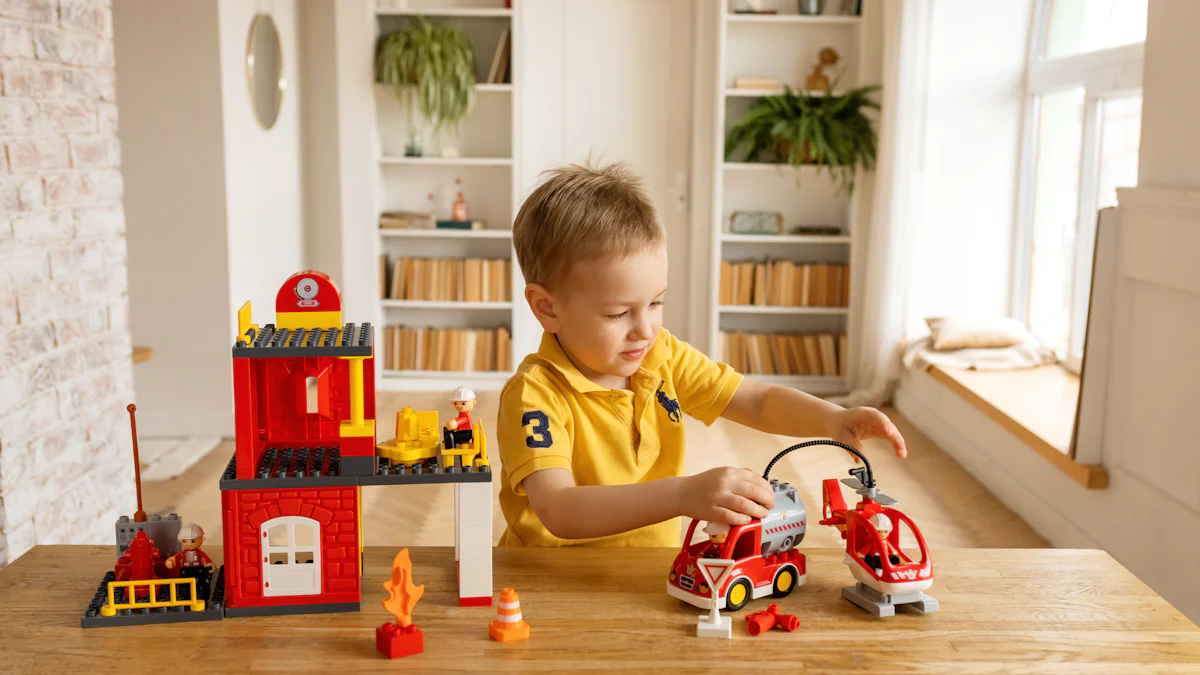
Choosing the right educational toys for two-year-olds can make a big difference in their development. Let’s explore some categories that can help your child grow and learn.
Toys for Cognitive Development
Puzzles and Shape Sorters
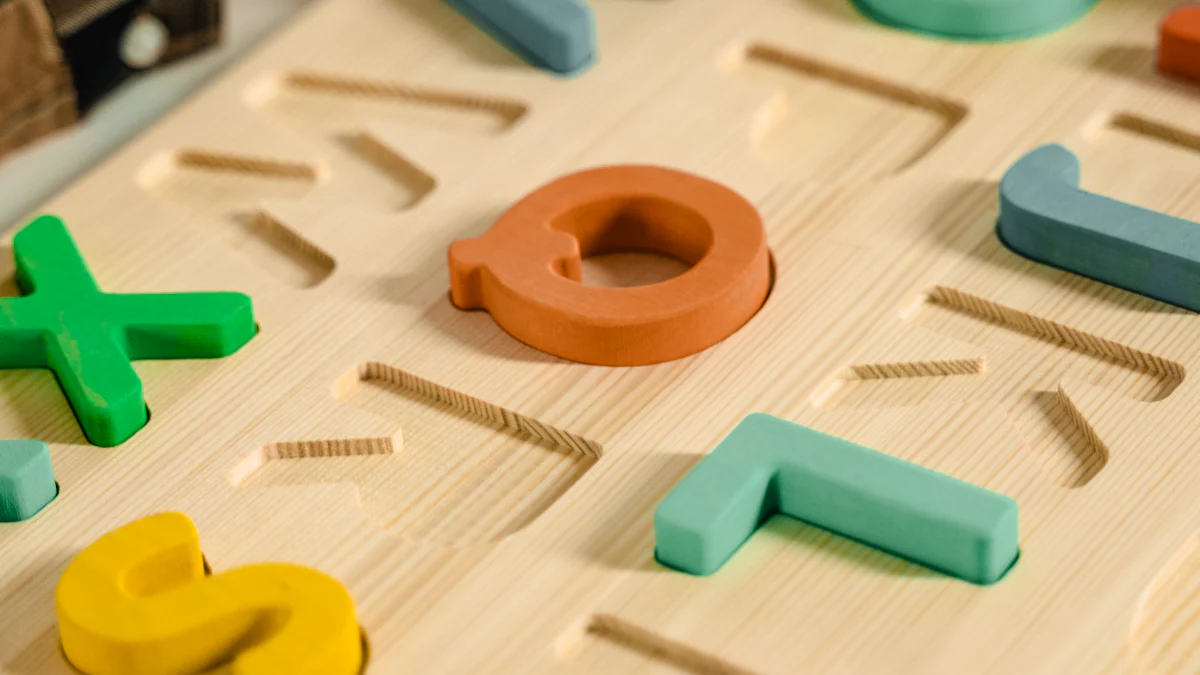
Puzzles and shape sorters are fantastic learning toys for your little one. They challenge your child’s problem-solving skills and encourage them to think critically. As they fit pieces together, they learn about shapes, colors, and spatial relationships. These toys also help improve hand-eye coordination and fine motor skills. Look for sturdy, well-made puzzles that can withstand enthusiastic play.
Interactive Books and Storytelling Toys
Interactive books and storytelling toys open up a world of imagination and language learning. These educational toys for 2-year-olds introduce new words and concepts in a fun and engaging way. Your child can press buttons to hear stories or sounds, which makes reading an interactive experience. This not only boosts their vocabulary but also fosters a love for reading from an early age.
Toys for Motor Skills
Building Blocks and Stacking Toys
Building blocks and stacking toys are essential for developing motor skills. They encourage your child to use their hands and fingers to build and create. As they stack and balance blocks, they learn about balance and gravity. These toys also inspire creativity, allowing your child to build whatever their imagination desires. Choose blocks that are safe, durable, and easy for little hands to grasp.
Ride-On Toys and Push Toys
Ride-on toys and push toys get your child moving and exploring. These toys support gross motor development by encouraging walking, running, and balancing. Your child can ride around the house or yard, building strength and coordination. Push toys, like small carts or wagons, help them practice walking and improve their balance. These toys make physical activity fun and exciting.
Toys for Social-Emotional Development
Dolls and Stuffed Animals
Dolls and stuffed animals are more than just cuddly companions. They play a crucial role in social-emotional development. Your child can practice nurturing and caring for their “friends,” which helps them understand empathy and emotions. Through imaginative play, they explore different scenarios and learn to express their feelings. These toys provide comfort and teach valuable social skills.
Role-Playing Sets
Role-playing sets allow your child to step into different roles and scenarios. Whether they’re pretending to be a chef, doctor, or teacher, these educational toys for two-year-olds foster creativity and social skills. Your child learns to interact with others, share, and take turns. Role-playing also helps them understand the world around them and develop problem-solving skills.
By selecting educational toys that align with these categories, you provide your child with valuable learning experiences. These toys not only entertain but also support their growth and development in meaningful ways.
Tips for Selecting the Right Educational Toys for 2-Year-Olds
Choosing the right educational toys for your two-year-old can feel overwhelming, but focusing on a few key aspects can make the process easier and more rewarding. Here are some tips to guide you in selecting toys that are not only fun but also beneficial for your child’s development.
Safety Considerations
When it comes to toys, safety should always be your top priority.
Non-Toxic Materials
Ensure that the toys you choose are made from non-toxic materials. Young children often explore the world by putting things in their mouths, so it’s crucial that their toys are free from harmful chemicals. Look for labels that confirm the toy’s safety standards.
Age-Appropriate Design
Toys should match your child’s developmental stage. Age recommendations on toy packaging can help you determine if a toy is suitable for your two-year-old. Avoid toys with small parts that could pose a choking hazard. A well-designed toy will engage your child without overwhelming them.
Durability and Longevity
You want toys that can withstand the test of time and active play.
Quality of Materials
Invest in toys made from high-quality materials. Sturdy construction ensures that toys can endure rough handling and last longer. This not only saves money in the long run but also provides consistent learning opportunities for your child.
Versatility of Use
Choose toys that offer multiple ways to play. Versatile toys grow with your child, adapting to their changing interests and abilities. For example, building blocks can be used to create simple structures at first, then more complex designs as your child develops.
Educational Value
The best toys are those that stimulate your child’s mind and creativity.
Encouraging Creativity
Look for toys that inspire imaginative play. Creative toys allow your child to explore different scenarios and roles, fostering their creativity and problem-solving skills. Art supplies, building sets, and role-playing toys are excellent choices.
Promoting Independent Play
Toys that encourage independent play help your child develop self-confidence and decision-making skills. These toys allow your child to explore and learn at their own pace, which is essential for their growth. Puzzles, interactive books, and simple games can provide hours of solo entertainment.
By considering these factors, you can select educational toys that are safe, durable, and enriching for your two-year-old. These toys will not only entertain but also support their development in meaningful ways.
Educational toys for two-year-olds are essential for nurturing your child’s growth. They offer a blend of fun and learning, making playtime both enjoyable and beneficial. When selecting educational toys for 2-year-olds, prioritize those that are safe, durable, and age-appropriate. Consider the joy and learning your child will experience with a craft trolley filled with creative supplies or a micro scooter that enhances balance and spatial awareness. These toys not only entertain but also provide invaluable learning opportunities, fostering independence and social interaction. Invest wisely in educational toys for two-year-olds to support their developmental journey.
FAQ
What qualities should the best educational toys for 2 to 3-year-olds typically include?
When choosing toys for your little one, look for those that inspire active play. The best toys are well-made with sturdy materials, ensuring they last through enthusiastic play sessions. They should offer more than one use, allowing your child to explore different ways to play. Most importantly, these toys should challenge your child’s skills without causing frustration.
What are the qualities to look for in educational toys for kids?
Selecting the right toy involves considering several factors. First, check the material to ensure it’s safe and durable. Think about the skills the toy promotes, such as problem-solving or creativity. Consider your child’s interests to keep them engaged. Safety is paramount, so ensure the toy is age-appropriate and free from small parts that could be hazardous. Finally, verify the age range to make sure the toy matches your child’s developmental stage.
How do educational toys benefit my child’s development?
Educational toys play a crucial role in your child’s growth. They help develop cognitive skills by encouraging problem-solving and critical thinking. Toys that require physical activity enhance motor skills, while those that promote imaginative play boost creativity and social-emotional development. By engaging with these toys, your child learns through play, making the experience both fun and educational.
Are there specific toys that help with language development?
Yes, interactive books and storytelling toys are excellent for language development. These toys introduce new words and concepts in an engaging way. Your child can listen to stories, press buttons to hear sounds, and explore language through play. This interaction not only expands their vocabulary but also fosters a love for reading.
How can I ensure the toys I choose are safe for my child?
Safety should always be your top priority. Look for toys made from non-toxic materials, as young children often explore by putting things in their mouths. Check for age-appropriate design to avoid small parts that could pose a choking hazard. Always read labels and follow the manufacturer’s safety guidelines to ensure a safe play experience.
Can educational toys grow with my child?
Absolutely! Many educational toys are designed to adapt to your child’s changing interests and abilities. For example, building blocks can be used to create simple structures at first, then more complex designs as your child develops. Look for toys that offer multiple ways to play, providing ongoing learning opportunities as your child grows.
How do I encourage independent play with educational toys?
Choose toys that allow your child to explore and learn at their own pace. Puzzles, interactive books, and simple games are great for promoting independent play. These toys help your child develop self-confidence and decision-making skills, as they learn to entertain themselves and solve problems on their own.
